How to Grow Your Church on Social Media
3 November 2026
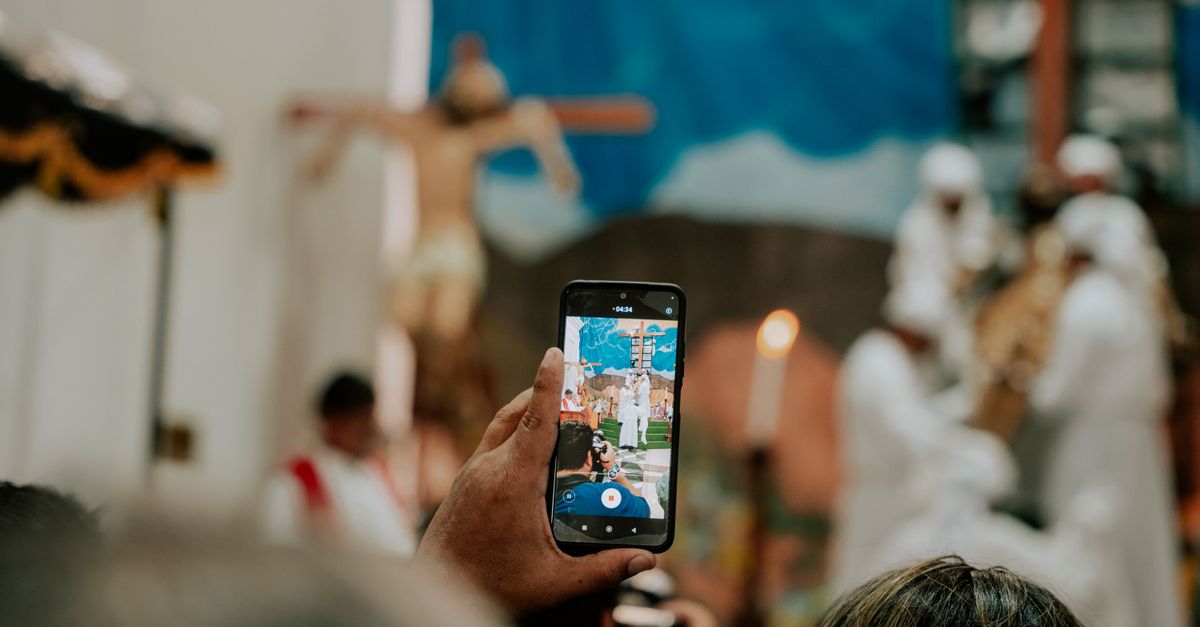
Your Church Has a Story Worth Sharing

If you lead a church or ministry, you already know the hardest part of social media isn't posting—it's posting consistently while also shepherding people, preparing messages, and running a hundred other things. The good news? Growing online isn't about going viral. It's about showing up faithfully, being genuinely helpful, and making it easy for people to find you.
This guide walks you through a simple, sustainable approach. No jargon, no gimmicks—just practical steps you can start this week.
1. Know Who You're Trying to Reach
Before you post anything, answer one question: who are we trying to reach? A neighborhood church, a youth ministry, and an online-first prayer community will each need different content. Try writing a one-sentence audience note:
- "We want to reach young families within 10 miles who are looking for a welcoming church."
- "We want to reach believers worldwide who want daily encouragement and Bible teaching."
- "We want to help our members stay connected and invite their friends."
That single sentence will guide every post, caption, and video you make. When you're clear on who you're serving, your content stops feeling random and starts feeling purposeful.
2. Pick Two Platforms and Do Them Well

It's tempting to be everywhere, but spreading yourself thin leads to burnout and half-finished posts. Choose the two platforms where your people actually spend time:
- Facebook — strong for community groups, events, and reaching older members and families.
- Instagram — great for visual storytelling, reels, and younger audiences.
- TikTok — ideal for short, authentic clips that reach new people fast.
- YouTube — best for full sermons, worship sets, and longer teaching.
Master two first. You can always expand later once you have a rhythm that works.
3. Build a Simple Content Mix
Consistency beats perfection. A healthy weekly mix might look like this:
- One encouragement post — a scripture, a short reflection, or a prayer.
- One behind-the-scenes moment — setup for service, volunteers laughing, a quick clip of rehearsal.
- One teaching clip — a 30–60 second highlight from Sunday's message.
- One invitation — service times, a small group, an upcoming event, or a call to serve.
That's four posts a week—manageable for most teams. Batch them: film several clips after service, write captions on Monday, and schedule them across the week.
4. Make Your Profile Easy to Find and Follow
People decide whether to follow you in about three seconds. Make those seconds count:
- Use a clear, welcoming profile photo—your logo or a warm photo of your pastor and team.
- Write a bio that says who you are, where you meet, and when. Include your city and service times.
- Add a link to your website, livestream, or giving page.
- Pin your most important post—like a welcome video or this week's service details.
Small details like these make a big difference, especially for first-time visitors who found you through a search or a friend's share.
5. Show Real People, Not Just Announcements
The biggest mistake churches make online is treating social media like a bulletin board. People follow people. Show faces, stories, and real moments:
- Short testimonies (with permission) of how someone's life changed.
- A volunteer spotlight—who they are and why they serve.
- A quick clip of worship or a prayer moment.
- A pastor answering a common question in 45 seconds.
Authenticity travels further than polish. A slightly shaky phone video of a real moment often outperforms a perfectly produced graphic.
6. Engage Like a Real Person
Growth isn't just about what you post—it's about how you respond. Reply to comments, thank people for sharing, and ask simple questions that invite conversation. When someone comments "What time is service?" reply warmly and quickly. When a member shares your post, like it and say thank you.
Treat your comments section like a front door. It's often the first impression a newcomer gets of your church culture.
7. Use Live Video to Build Connection
Livestreaming your service is one of the most powerful tools you have. It reaches the sick, the traveling, and the curious. Beyond Sunday, try short live sessions: a midweek prayer, a Q&A with your pastor, or a behind-the-scenes look at an outreach. Live video feels personal and creates a sense of belonging—even for people watching from another country.
8. Encourage Your Members to Share
Your congregation is your best marketing team. Make it easy for them to share:
- Post shareable graphics with service times and a warm invitation.
- Create a simple hashtag for your church so members can find each other.
- Ask a few trusted members to share a post each week.
Word of mouth still works—it just happens on phones now.
9. Measure What Matters (Gently)
You don't need a data dashboard to grow. Check a few simple numbers each month:
- Are more people watching your videos to the end?
- Are comments and shares increasing?
- Are new people messaging you or visiting?
Numbers tell a story, but they're not the whole story. One message from someone who found your church online is worth more than a thousand passive views.
10. Give Growth a Little Boost When It Helps
Sometimes a small, honest boost helps a good message reach further—like promoting a service invitation or an event to your local area. If you ever want to build momentum on your main channels, tools like Organicly offer pay-as-you-go options for growing your audience on platforms like YouTube, Facebook, Instagram, and TikTok. Use them wisely and always alongside genuine, consistent content—visibility works best when it's backed by a real community and real value.
Start Small, Stay Faithful
You don't need a big team or a big budget to grow online. You need clarity, consistency, and a heart to serve the people behind the screens. Pick two platforms, post a simple weekly mix, reply to people warmly, and let your members help spread the word. Over time, those small faithful steps add up to real connection—and real growth.
Frequently asked questions
How often should our church post on social media?
Aim for three to five quality posts per week. Consistency matters more than volume—four thoughtful posts a week will outperform a burst of ten followed by silence.
Which platform is best for churches?
It depends on your audience. Facebook is strong for community and events, Instagram for visual storytelling, TikTok for reaching new people quickly, and YouTube for sermons and teaching. Start with the two where your people already spend time.
Do we need a big budget to grow online?
No. Most growth comes from consistent, genuine content and active engagement. A small budget can help boost key invitations or events, but it should support—not replace—real connection.
How do we measure success on social media?
Look at simple signals: watch time, comments, shares, messages, and new visitors who mention finding you online. One genuine connection is worth more than a thousand passive views.
Can we use tools to grow our audience?
Yes, as a supplement. Services like Organicly offer pay-as-you-go options for building visibility on major platforms. Pair them with authentic content and real engagement for the best results.
Ready to grow for real?
Organicly delivers real social growth, instantly — pay as you go.
Start growing →