Grow Your Church on Social Media: A Practical Guide
26 October 2026
Why Social Media Matters for Churches and Ministries

Your church or ministry already has something powerful: a message worth sharing and a community worth welcoming. Social media simply helps more people find you. It's where families scroll on Sunday morning before service, where newcomers quietly check you out before visiting, and where members share encouragement with friends.
The goal isn't to chase numbers for their own sake. It's visibility and momentum—so the people who need your message can actually find it. This guide walks you through a simple, sustainable approach you can start this week, no big budget or tech team required.
1. Start With Clarity, Not Content
Before you post anything, answer three quick questions:
- Who are we trying to reach? Local families? Young adults? A specific community you serve?
- What do we want them to do? Visit a service, watch a livestream, join a small group, or give?
- What platforms do they actually use? Facebook and Instagram suit most churches; YouTube is essential for sermons and livestreams; TikTok and Telegram reach younger or diaspora audiences.
Write your answers down. Every post should point back to them. This keeps your feed focused and helps you avoid posting just to post.
2. Build a Simple Content Mix

You don't need to be a content machine. Rotate between a handful of reliable post types:
Encouragement and scripture
Short, warm, shareable quotes or verses with a clean visual. These are the posts members forward to friends.
Behind-the-scenes and community life
Photos from services, volunteers setting up, youth events, outreach days. Real moments build trust faster than polished graphics.
Teaching clips
Cut a 45–60 second highlight from Sunday's message. One strong idea, captioned clearly, works better than a full sermon dump.
Invitations and announcements
Service times, special events, prayer nights. Keep these clear and easy to act on—include the date, time, and a simple next step.
Stories and testimonies
With permission, share short stories of what God is doing in your community. These are often your most powerful posts.
Aim for a rough mix of about 60% encouragement and teaching, 30% community life, and 10% direct invitations. Adjust as you learn what resonates.
3. Pick a Posting Rhythm You Can Keep
Consistency beats intensity. Three to five quality posts a week on your main platform is plenty for most churches. Add a weekly livestream or sermon upload on YouTube. Then use Stories or short video for the in-between moments.
Practical tip: batch your work. Set aside one afternoon a week to write captions, choose photos, and schedule posts. Tools like Meta Business Suite let you schedule Facebook and Instagram posts for free.
4. Make Engagement a Habit, Not an Afterthought
Social media is a conversation, not a billboard. Reply to comments and messages within a day where you can. Thank people for sharing. Ask simple questions in captions—"What's one thing you're grateful for this week?"—and respond to a few answers.
When someone comments asking about service times or directions, that's a warm invitation to connect. Answer kindly, then point them to your website or a welcome form.
5. Use Video—Especially Short Video
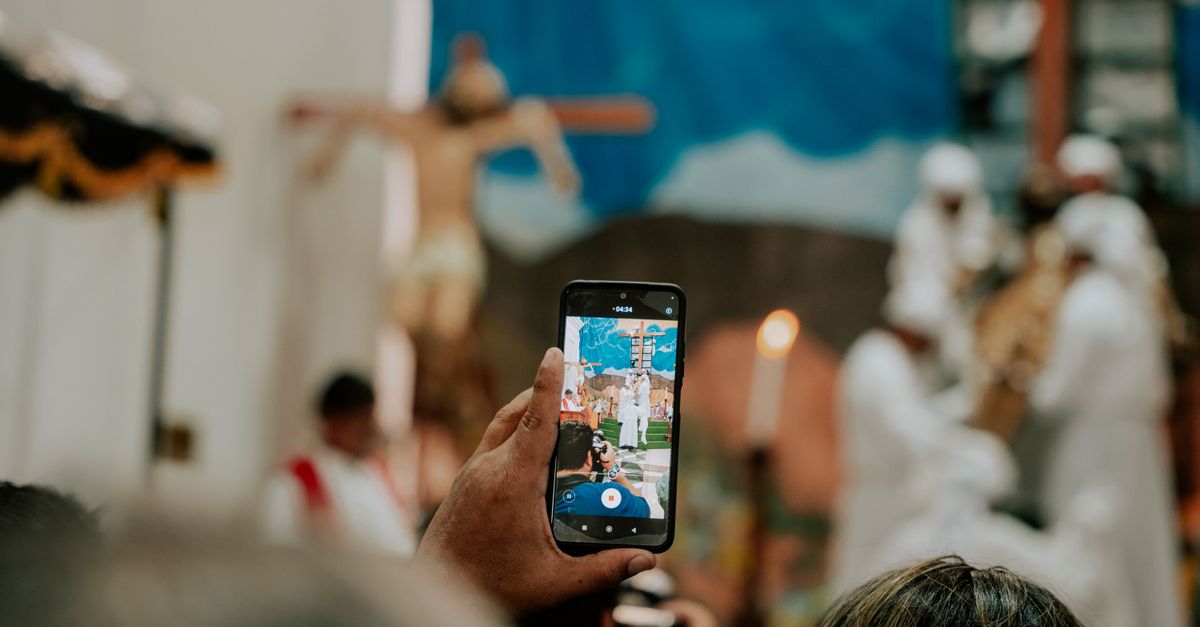
Video is the fastest way to help new people feel your church's warmth. You don't need expensive gear; a modern phone and steady hands are enough. Focus on:
- Short sermon highlights with captions
- Quick welcome videos from your pastor
- Event recaps and volunteer spotlights
- Livestreams for Sunday services and special gatherings
Always add captions. Many people watch without sound, and captions make your message accessible to more viewers.
6. Grow Reach Without Chasing Vanity Numbers
Reach grows when content is shared, saved, and watched. A few simple habits help:
- Post when your people are online. Check your insights to find your best times.
- Use clear, searchable titles. "Sunday Service Livestream – [Date]" helps people find you.
- Encourage sharing naturally. "Tag a friend who needs this today" works when the post is genuinely encouraging.
- Cross-promote. Mention your social handles at service, on your website, and in your newsletter.
If you want a head start on visibility—especially for a new page or a big event—a service like Organicly can help you build early momentum with followers, views, or livestream viewers delivered automatically within minutes. Think of it as a gentle boost to help your message reach more eyes, while your real growth still comes from consistent, genuine content and community.
7. Measure What Matters
Once a month, look at a few numbers: reach, saves, shares, video views, and messages received. Don't obsess over follower counts alone. The question to ask is: Are more people engaging with our message and taking a next step? Track welcome-form signups, event RSVPs, and livestream attendance alongside your social stats.
8. Keep It Human
The churches that grow well online are the ones that feel like real communities. Show faces, share names (with permission), celebrate volunteers, and respond with warmth. Your feed should feel like an open door—welcoming, honest, and full of hope.
Start small this week: choose one platform, plan three posts, and reply to every comment. Momentum builds from there.
Frequently Asked Questions
Frequently asked questions
How often should a church post on social media?
Three to five quality posts a week on your main platform is a healthy rhythm for most churches. Add a weekly sermon or livestream on YouTube and use Stories for in-between moments. Consistency matters more than volume.
Which social media platform is best for a church?
It depends on your audience. Facebook and Instagram work well for most congregations, YouTube is essential for sermons and livestreams, and TikTok or Telegram can reach younger or diaspora communities. Start with one or two platforms you can do well.
Do we need a big budget to grow on social media?
No. Most growth comes from consistent, genuine content and active engagement. A small budget for boosting key events or using a service like Organicly for early visibility can help, but it works best alongside real community-building.
Can social media growth services help a ministry?
They can help with visibility and early momentum—for example, more views on a livestream or followers on a new page. Use them as a supplement to authentic content and engagement, not a replacement for it.
How do we get more people to watch our livestream?
Promote it in advance across your channels, use a clear title with the date, go live at a consistent time, and encourage members to share. Short highlight clips after the service also draw new viewers back to the full stream.
Ready to grow for real?
Organicly delivers real social growth, instantly — pay as you go.
Start growing →